
Red wine suits richer, heavier meals and cooler weather, while white wine pairs better with lighter dishes and warmer occasions. If you're new to Lebanese wine, start with a red like a Bekaa Valley Cabernet blend for depth or a white like an Obeidi or Merwah for something crisp and food-friendly. Either way, the best place to compare both styles side by side is a specialist Lebanese wine shop in Switzerland, where you can taste before you commit to a case.
Understanding the Real Difference Between Red and White Wine
Most people know red and white wine look different. Fewer know why they taste so different too. The gap comes down to three things: how the grapes are handled after harvest, how long the juice sits with the skins, and what temperature the wine is served at.
How Each Wine Is Made
Red wine gets its color, tannin, and body from grape skins. During fermentation, the skins stay in contact with the juice for days or weeks, pulling out pigment and structure. White wine skips this step almost entirely. The skins are pressed away early, leaving a lighter, cleaner juice that ferments into something brighter and less tannic.
This single difference explains almost everything else. Tannin is what gives red wine that slightly drying, grippy feeling on your tongue. It's also why red wines tend to age longer and pair well with fattier foods, since tannin cuts through richness.
Taste, Body, and Serving Temperature
Red wines generally carry more weight on the palate, with flavors leaning toward dark fruit, spice, and sometimes earthy or smoky notes depending on the grape and region. White wines lean toward citrus, orchard fruit, and floral notes, with a lighter, more refreshing finish.
Temperature matters more than most people realize. A red served too warm tastes flat and boozy; a white served too cold mutes its aromas. As a rule, reds do well around 16–18°C, while whites shine closer to 8–10°C.
Red Wine: Bold, Structured, and Full of Character
Red wine has a reputation for being the "serious" choice, and there's some truth to that. The tannin and depth make it a natural match for slow-cooked meats, aged cheese, and dishes with real weight.
When Red Wine Works Best
Reach for red wine when you're serving grilled or roasted meat, tomato-based sauces, or dishes with warm spices. It also works well during the cooler months, when a fuller-bodied wine complements the season perfectly. Red wines come in a wide range of styles—from light and fruity to bold and full-bodied—making it easy to find the right match for every meal and occasion.
Popular Lebanese Red Wines to Try
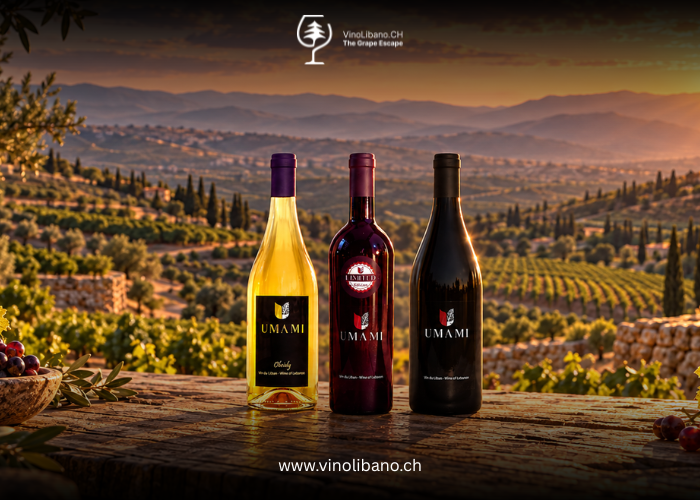
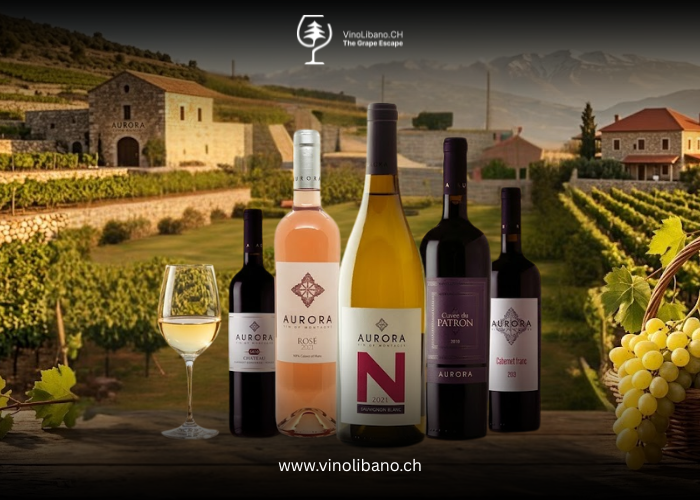
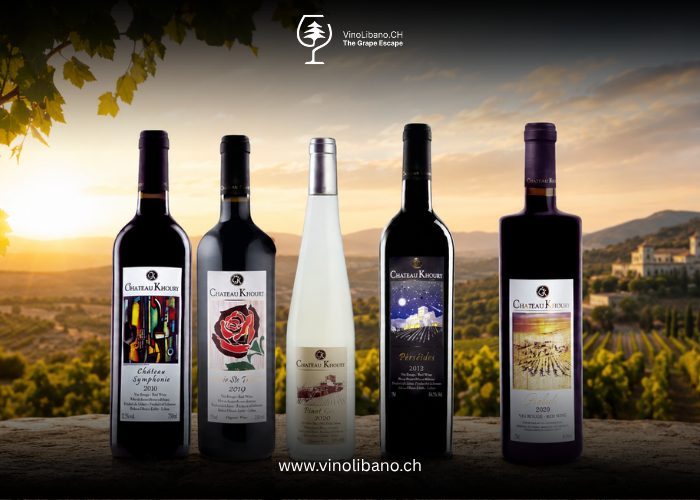
Lebanon's Bekaa Valley has been producing wine for thousands of years, and its reds are built around Cabernet Sauvignon, Syrah, and Cinsault, often blended together. These wines tend to be full-bodied with dark fruit and a peppery finish, shaped by the region's altitude and long growing season. Anyone searching for Lebanese red wine online will usually find these Bekaa Valley blends listed among the most recommended bottles, and for good reason. They hold their own against better-known reds from France or Italy, often at a friendlier price point.
White Wine: Crisp, Fresh, and Versatile
White wine doesn't get the same spotlight, but it's arguably more versatile at the table. Lighter body and higher acidity make it easier to pair with a wider range of dishes without overwhelming them.
When White Wine Works Best
White wine suits seafood, salads, poultry, and lighter Mediterranean-style dishes. It's also the better choice on a warm day or when you want something refreshing rather than heavy. If you've ever felt a red wine sat too heavily after a light lunch, that's usually a sign a white would have suited the meal better.
Popular Lebanese White Wines to Try
Lebanon grows several indigenous white grapes that rarely appear outside the region, including Obeidi and Merwah. These produce wines with high acidity, subtle stone fruit character, and a dry, mineral finish that pairs naturally with fish, mezze, and soft cheese. Demand for Lebanese white wine online has grown as more drinkers look past the usual Sauvignon Blanc and Chardonnay options for something with a bit more history behind it.
Finding Authentic Lebanese Wine in Switzerland
Switzerland has a long-standing appreciation for wine culture, and Lebanese wine has found a genuinely receptive audience here. The two regions share more in common than people expect: both have small, terroir-driven production, and both prioritize quality over volume.
Why More Wine Lovers in Zurich, Geneva, and Bern Are Turning to Lebanese Wine
Wine drinkers in cities like Zurich, Geneva, and Bern are increasingly curious about lesser-known wine regions, and Lebanon fits that curiosity well. The Bekaa Valley's climate, close to 1,000 meters above sea level, produces grapes with a balance of ripeness and acidity that many Swiss palates respond to immediately. A dedicated Lebanese wine shop in Switzerland gives local buyers a reliable way to access these bottles without relying on imports from general international retailers who may only stock one or two token labels.
Ordering Lebanese Red Wine Online vs Visiting a Lebanese Wine Shop in Switzerland
Both routes have their place. Ordering online is convenient for restocking favorites or building a case for a specific occasion. Visiting in person, where possible, gives you the chance to taste before buying, ask about vintage variation, and get a recommendation suited to what you're actually cooking that week. If you're new to Lebanese wine, starting with a smaller in-person tasting before committing to a larger online order tends to save money and disappointment later.
Lebanese Wine and Swiss Restaurants: A Growing Pairing
Restaurants across Switzerland have started adding Lebanese labels to their wine lists, particularly those serving Middle Eastern, Mediterranean, or fusion menus. A libanesischer Wein Restaurant Schweiz pairing makes sense on a menu level: Lebanese wines are built to stand up to bold, spiced, herb-heavy cooking, which is exactly the kind of food they were made to sit alongside for centuries. For restaurant owners, offering a well-chosen Lebanese red or white isn't just a novelty; it's a genuine point of difference that gives diners something they can't easily order elsewhere.
So, Which Should You Choose—Red or White?
There's no single right answer, and that's the honest truth most wine guides avoid saying outright. The better question is what you're eating, when you're drinking, and what mood you're in.
Quick Decision Guide
- Choose red if you're serving red meat or aged cheese or want something to sit with over a longer meal.
- Choose white if you're serving seafood or lighter dishes or want something refreshing on a warm day.
- Not sure? Start with a Lebanese red and white side by side. Comparing them directly teaches your palate faster than reading about the difference ever will.
FAQ
Is Lebanese wine sweet or dry?
Most Lebanese wines, both red and white, are dry. Sweetness varies by producer, but the traditional style from the Bekaa Valley leans firmly toward dry, food-friendly wine rather than dessert styles.
What makes Lebanese wine different from European wine?
Lebanese wine benefits from high-altitude vineyards, a long growing season, and indigenous grape varieties like Obeidi and Merwah that aren't widely grown elsewhere. This gives the wines a distinct character even when using familiar grapes like Cabernet Sauvignon.
Can I buy Lebanese wine online in Switzerland?
Yes. Several specialist retailers now offer Lebanese red wine online and Lebanese white wine online with delivery across Switzerland, making it easy to try bottles that aren't stocked in most supermarkets.
Which Lebanese wine should a beginner try first?
A Bekaa Valley red blend is a reliable starting point for red wine drinkers, while an Obeidi or Merwah white suits those who prefer something lighter and more citrus-driven.
Do Swiss restaurants serve Lebanese wine?
A growing number do, particularly restaurants with Mediterranean or Middle Eastern menus. It's becoming a more common sight on wine lists in cities with diverse dining scenes.
Conclusion
Red and white wine aren't competing categories; they're tools for different meals and different moods. Once you understand what drives the difference, tannin, and acidity and how each is made, choosing between them stops feeling like guesswork. Lebanese wine, with its long history and distinct grape varieties, is a genuinely rewarding place to explore that difference, whether you're comparing a Bekaa Valley red against an Obeidi white or building a case for your next dinner party. A trusted Lebanese wine shop in Switzerland remains the easiest way to start that exploration properly, with guidance from people who know the region well.
0 Comments