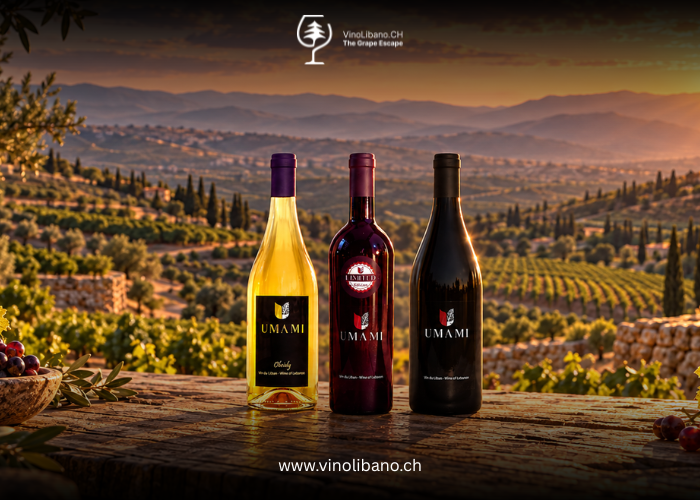
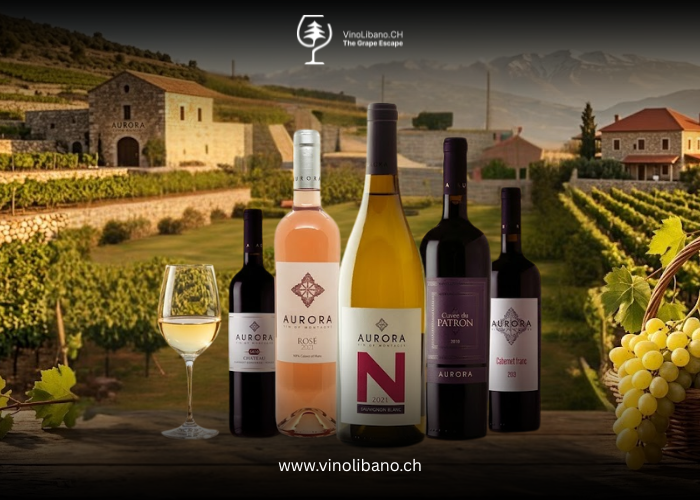
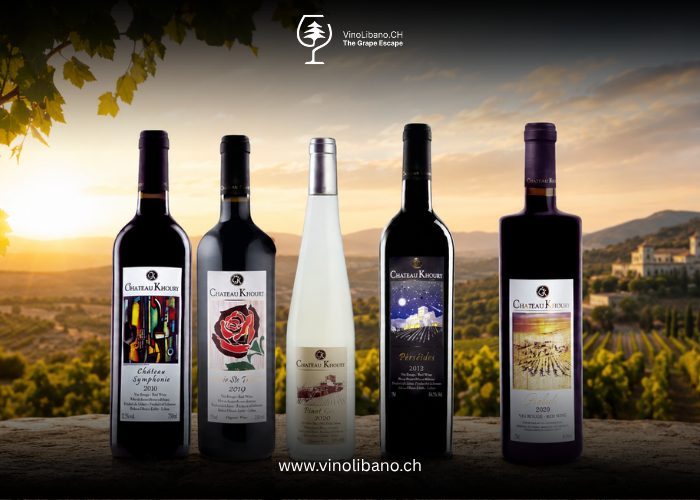
If you want to buy Lebanese wine online in Switzerland, the best place to start is with the country's boutique estates rather than mass-market labels. Lebanon's seven core wine regions, Bekaa Valley, Batroun, Kefraya, Mount Lebanon, Jezzine, Zahlé, and Byblos, each produce distinct styles shaped by altitude, coastal breeze, or ancient terraces. A trusted Lebanese wine shop in Switzerland like ours curates small-batch bottles from these regions, ships them properly stored, and can guide pairing choices for Swiss tables, from a Zürich dinner party to a Genève apéro.
Why Boutique Lebanese Estates Matter More Than Big Labels
Lebanon has been making wine for roughly 6,000 years, but the story that matters to today's drinker isn't ancient history, it's what's happening in small cellars right now. Boutique estates produce limited runs, hand-pick fruit, and often work with old-vine parcels that large producers simply don't have access to. That translates into wine with more character and less uniformity in the glass.
For Swiss buyers used to precise, terroir-driven wines from the Valais or Vaud, Lebanese boutique wine offers a similar philosophy: small yields, careful hands, and a strong sense of place.
What "Boutique" Actually Means in a Lebanese Context
A boutique estate in Lebanon typically produces under 50,000 bottles a year, often far less, and the winemaker is usually still hands-on in the vineyard, not just the cellar. Many of these estates are family-run, some for four or five generations, which shows up in how consistently a house style holds across vintages.
Meet the 7 Estates: Lebanon's Core Wine Regions
Each of these regions represents a distinct estate profile in our Swiss-facing collection. Note that estate names, awards, and specific vintages should be confirmed with current inventory before publishing live on site.
1. Bekaa Valley Heritage Estate
The Bekaa Valley sits at roughly 1,000 meters above sea level, giving grapes long ripening days and cool nights, the same combination that makes high-altitude Swiss wine regions distinctive. Cabernet Sauvignon and Syrah blends from here tend to show structured tannins with a peppery finish.
2. Batroun Coastal Vineyard
Batroun's Mediterranean coastline brings salt air and humidity into the vineyard, producing whites and rosés with a briny freshness. This is the estate profile to reach for if a customer asks for something lighter, closer to a Swiss Chasselas in feel than a heavy red.
3. Kefraya Valley Estate
Kefraya sits in the western Bekaa, sheltered by the Mount Lebanon range, and produces some of the country's most age-worthy reds. Estates here often blend indigenous grapes with Bordeaux varieties, resulting in wines that hold up well over five to ten years in a cellar.
4. Mount Lebanon Highland Estate
At a higher elevation than the Bekaa floor, Mount Lebanon estates work with cooler-climate whites and lighter reds. The terrain mirrors the kind of vineyard slopes Swiss customers from Valais will find familiar.
5. Jezzine Hills Boutique Winery
A newer wine region for Lebanon, Jezzine's forested hills and volcanic soil pockets are being explored by smaller producers experimenting with organic and low-intervention methods, appealing to Swiss buyers increasingly interested in natural wine.
6. Zahlé Terraces Estate
Zahlé's terraced hillsides, some centuries old, are known for the indigenous white grape Obeideh and Merwah, varieties with almost no equivalent outside Lebanon. These are the bottles to recommend to a customer looking for something genuinely rare.
7. Byblos Ancient Vine Estate
Byblos is considered one of the oldest continuously inhabited wine-producing areas in the world. Estates here lean into that heritage, often producing amphora-aged or clay-vessel wines that connect directly to Phoenician winemaking traditions.
Best Lebanese Wines for Swiss Tables: Pairing Guide
Pairing With Swiss Classics
Lebanese wine food pairing works surprisingly well alongside Swiss staples. A Bekaa Valley red with more structure suits raclette and older hard cheeses. A Batroun rosé or white cuts nicely through fondue's richness without competing with it.
Pairing With Lebanese and Middle Eastern Dishes
For customers building a full Lebanese table, mezze calls for the Batroun or Jezzine whites, grilled meats and kibbeh, which pair naturally with Bekaa or Kefraya reds, and the rarer Zahlé whites work well with fresh labneh and herb-forward dishes.
Serving Suggestions for Zürich, Genève, and Bern Hosts
Swiss hosts planning a dinner in Zürich, Genève, Lausanne, Bern, or Basel can treat Lebanese wine the same way they'd treat a special-occasion Swiss bottle: decant the structured reds an hour ahead and chill the coastal whites slightly more than a typical Chasselas, closer to 8 to 10 degrees.
Buying Lebanese Wine Online in Switzerland: What to Know
Why Buy From a Specialist Lebanese Wine Shop in Switzerland
A specialist shop understands import logistics, storage temperature during transit, and label information that generic retailers often get wrong. Buying Lebanese wine online through a dedicated Swiss retailer also means better guidance on which estate matches your taste, rather than guessing from unfamiliar labels.
What to Look for Before You Buy
Check for proper import documentation, clear vintage and region labeling, and confirmed storage conditions at the point of sale. Small-batch wines are more sensitive to poor storage than mass-produced bottles, so this matters more with boutique estates than big commercial brands.
FAQ
Where can I buy Lebanese wine online in Switzerland?
A dedicated Lebanese wine shop serving Switzerland is the most reliable option, since it handles import logistics and proper storage that general online retailers often overlook.
What are the best Lebanese wines to start with?
Bekaa Valley reds are a solid entry point for structured, food-friendly wine, while Batroun whites and rosés suit lighter, warm-weather drinking.
What food pairs well with Lebanese wine?
Grilled meats, kibbeh, and hard cheeses pair naturally with Bekaa or Kefraya reds, while mezze and fresh herbs suit Batroun or Zahlé whites.
Are Lebanese wines similar to Swiss wines?
Both traditions value terroir and small-scale production, though Lebanese wines often carry warmer fruit character and, in some regions, indigenous grapes with no Swiss equivalent.
How many wine regions does Lebanon have?
Lebanon's winemaking centers on seven core regions: Bekaa Valley, Batroun, Kefraya, Mount Lebanon, Jezzine, Zahlé, and Byblos, each with a distinct climate and style.
Conclusion
Lebanon's boutique estates offer Swiss wine lovers something genuinely different from the usual imported labels, wines shaped by six millennia of history but made in small enough batches to still carry a real sense of place. Whether you're pairing a structured Bekaa red with raclette or introducing guests in Zürich or Genève to an ancient Byblos amphora wine, buying Lebanese wine online through a specialist shop is the simplest way to bring that range to a Swiss table.
0 Comments